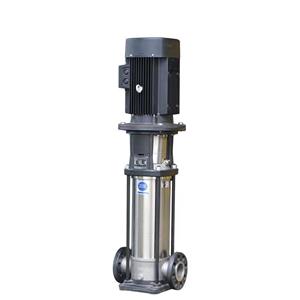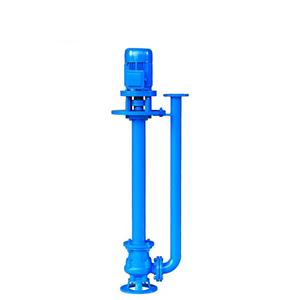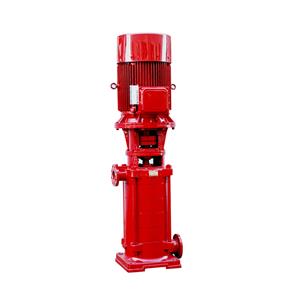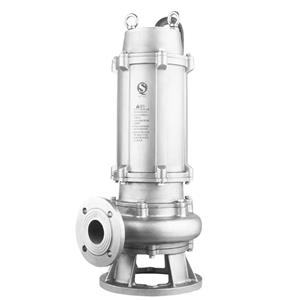
Bomba sumergible para aguas residuales en proyectos de tratamiento de aguas residuales
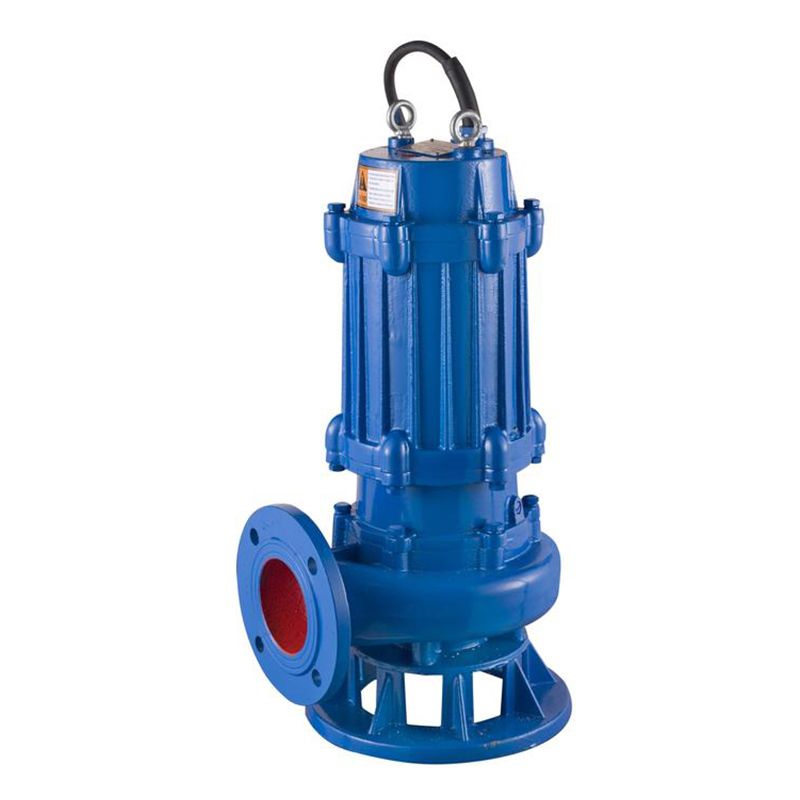
A submersible sewage pump is often selected for wastewater stations, building drainage, construction pits, industrial wastewater collection and emergency flood control. The correct pump should move water reliably while handling solids, long operating hours and difficult site conditions. For overseas buyers, a good selection starts with wastewater data, not only with pump power.
Shanghai Gaotian Pump Manufacturing Co., Ltd. supplies Sewage Pump products for municipal, commercial and industrial drainage projects. This guide explains the main points to check before requesting a submersible sewage pump quotation.
1. Confirm Wastewater Type and Solids Content
Wastewater can contain soft solids, fibers, sand, sludge or mixed debris. A pump for clean drainage may fail quickly if it is used in sewage with solids. Buyers should tell the supplier the estimated solids size, fiber content, liquid temperature, pH value and whether cutting, vortex or non-clog impeller design is required.
2. Calculate Flow, Head and Pumping Distance
Flow rate and total head decide the pump model. Total head should include vertical lift, pipe length, elbow loss, valve loss and discharge pressure. If the station uses two or more pumps, buyers should also confirm whether the pumps run alternately, in standby mode or in parallel during peak flow.
| Selection Data | Reason to Provide It |
|---|---|
| Flow rate and peak flow | Confirms pump capacity and whether standby or parallel pumps are required. |
| Total head and pipeline distance | Prevents undersized pumps and unstable discharge performance. |
| Solids size and water quality | Affects impeller type, passage size, seal and material selection. |
3. Choose Material, Seal and Installation Method
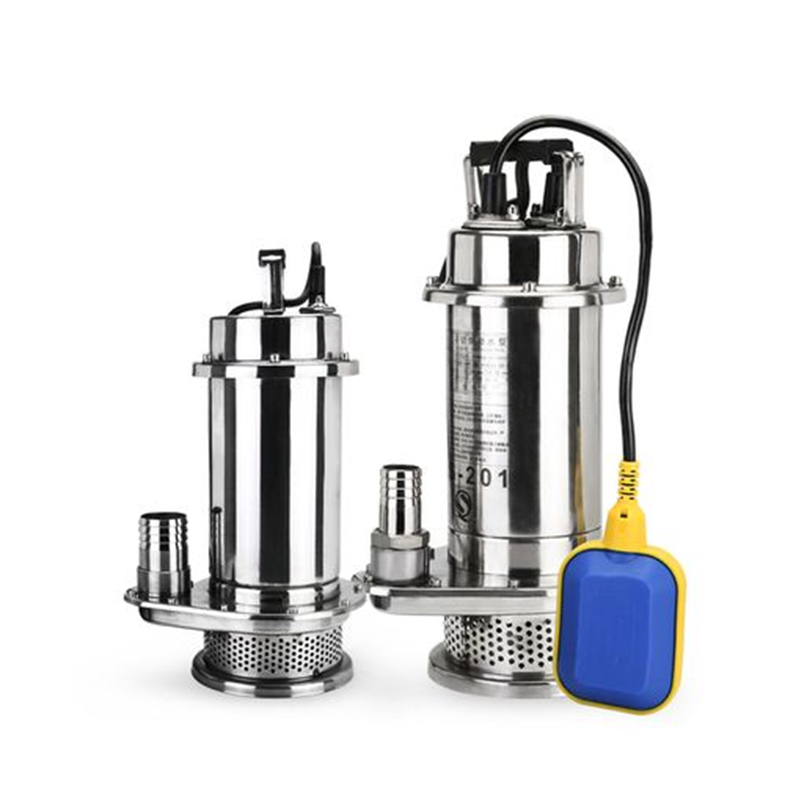
Cast iron is widely used for general sewage service, while stainless steel may be considered for corrosive wastewater or stricter site requirements. Mechanical seal protection is important because sewage pumps often work under dirty and wet conditions. Buyers should also confirm whether the installation uses guide rails, hose connection, flange connection or portable installation.
4. Prepare a Clear RFQ
Before asking for price, send the supplier the following information:
Application: wastewater station, building sump, factory drainage or flood control.
Required flow, total head, pipe diameter and pipe distance.
Solids size, liquid temperature, pH value and possible fibers.
Voltage, frequency, cable length and control panel requirement.
Installation method, material preference and spare-part requirement.
FAQ
Can a clean-water pump be used for sewage?
Usually no. Sewage applications require suitable impeller passage, sealing and material design to handle solids and dirty water.
When is a cutting sewage pump needed?
Se puede considerar un diseño de corte o trituración cuando las aguas residuales contienen fibras, residuos blandos o materiales que puedan obstruir un impulsor normal.
¿Qué deben enviar los compradores para obtener un presupuesto?
Envíe información sobre caudal, altura de elevación, calidad del agua, tamaño de los sólidos, voltaje y fotos de la instalación, si las tiene disponibles. Estos detalles ayudan a Gaotian Pump a recomendar una solución de bombeo de aguas residuales fiable.
Para obtener apoyo para proyectos de aguas residuales, reviseBomba de aguas residualesproductos o enviar datos del proyecto a través delformulario de consulta.